by Zachery Schmidt, with permission, TennesseeStar.com
Seven U.S. Senators sent a letter in late October to the College Board questioning the organization’s relationship with the Chinese-backed Confucius Institutes.
In the letter, the senators expressed “concern” about CB’s relationship with the Confucius Institutes.
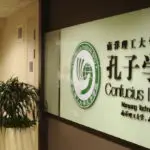 The College Board is a non-profit organization that administers college placement examinations including the SAT and Advanced Placement Program. According to its website, CB works with over 6,000 universities around the world and more than 7 million students yearly.
On August 13, the U.S. Department of State designated these Chinese-backed institutes as “a foreign mission of the People’s Republic of China.” The State Department described these institutes as “organizations primarily located on U.S. college and university campuses that push out skewed Chinese language and cultural training for U.S. students as part of Beijing’s multifaceted propaganda efforts.”
The State Department also said Confucius Institutes are funded by Hanban, which is an organization connected with the People’s Republic of China’s ministry office.
As of September, 67 Confucius Institutes are located in America, The National Associated of Scholars reported. Five of these locations will close by the end of 2021. Middle Tennessee University is the only college in Tennessee to have a Confucius Institute.
Furthermore, there are 500 Confucius Classrooms existing on K-12 schools across the country, the U.S. Department of State said.
The NAS released another report in August that showed CB helped launch 20 Confucius Institutes and Confucius Classrooms in America. Also, the Chinese government paid the CB almost $700,000 to develop an AP Chinese language test.
The senators asked CB to provide answers to these seven questions pertaining to its relationship with these Chinese-backed institutes.
- What is Hanban’s role in the Chinese Guest Teacher Program?
- What is the Chinese government’s involvement in the AP Chinese Language and Culture test? Does the Chinese government have to approve of the test?
- How much money did the College Board receive from the Hanban or from the Chinese government more broadly?
- What oversight practices does College Board implement to mitigate the risks of undue foreign influence associated with Hanban?
- How does College Board screen funding from foreign sources?
- What contracts, memoranda of understanding, or other agreements did the College Board sign with the Hanban or other Chinese government-backed entities?
- Did the College Board receive or use any federal funding in the creation or promotion of Hanban-affiliated programs?
Two weeks ago, the Trump administration encouraged U.S. schools and colleges to rethink their ties to the Confucius Institute.
In letters to universities and state education officials, the State Department and Education Department said the program gives China a foothold on U.S. soil and poses a threat to free speech. Schools are being advised to examine the program’s activities and “take action to safeguard your educational environments.”
“The presence of this authoritarian influence on our campuses has never been more concerning, nor more consequential,” officials wrote in the letters, which were signed by Secretary of State Mike Pompeo and Education Secretary Betsy DeVos.
In March, seven U.S. senators proposed legislation called the Transparency for Confucius Institutes Act. This bill would establish “program participation agreements” between American institutions and the Confucius Institutes. The agreements would seek to understand how China “exerts undue influence.”
Congress has not taken action on this piece of legislation.
One of the U.S. Senators, Marsha Blackburn, (R-TN), stated, “Confucius Institutes as they currently operate are an affront to academic freedom, and we should not bow to repressive Chinese propaganda systems. It is time to put some serious distance between Confucius Institutes and American universities.”